Ride the Waterside: UK Rail-to-Towpath Adventures

Step from the train and roll straight onto calm, car-free paths as we explore UK canal towpaths and riverside cycling trails accessible from train stations. Discover how to link platforms to waterside gateways, choose bike-friendly services, plan scenic mileage, and savor heritage-laced landscapes. We’ll weave practical guidance with lived experiences so your next rail-to-ride journey feels effortless, welcoming, and wonderfully memorable, whether you chase sunrise mist, golden-hour reflections, or a leisurely pub lunch by the water.
Tickets, Reservations, and Bike-Friendly Carriages
Many UK operators welcome non-folding bikes with off-peak flexibility, but some require free reservations and limit spaces. Folding bikes are widely allowed anytime, helping spontaneous rides. Verify policies before traveling, board early, and use clearly marked bicycle doors where available. When unsure, ask staff politely, explain your route, and keep panniers light to maneuver confidently on crowded platforms.
Last-Metre Navigation from Platforms to Water
The shortest path from station concourse to towpath often runs through quieter side exits, cycle-friendly ramps, or lifts hidden behind signage. Study station maps in advance, drop pins near canal bridges, and follow signed walking routes when cycling is prohibited within buildings. A few minutes of pre-planning transforms confusion into a simple, graceful glide from arrivals board to waterside breeze.
Timing Your Ride for Calm, Light, and Tides
Aim for off-peak trains and early starts to enjoy gentler paths, friendlier passing, and softer light. Golden hours reveal reflections and wildlife, while city sections feel kinder before commuter flow swells. Some riverside trails near estuaries can be tide influenced or intermittently diverted; always check local notices, expected surface conditions, and sunset times to finish safely before darkness.
Start at the Platform: Planning Seamless Rail-to-Ride Days
A delightful waterside ride begins long before you touch the towpath. Learn how to align train times, bicycle policies, and station exits with nearby canals or rivers so your day flows smoothly. We’ll connect the dots from timetables to trailheads, spotlighting folding-bike advantages, reservation nuances, and simple hacks for handling ticket barriers, elevators, and stairs without stress or surprises.
Routes That Glide Beside Water
From quiet market towns to vibrant capitals, rail-connected waterside paths showcase history, craftsmanship, and everyday serenity. Choose routes where stations sit moments from towpaths, letting you shift effortlessly from steel rails to flowing canals. Expect lock-side murals, brick viaducts, and birdsong weaving around your cadence, with options for beginners, families, and smooth-rolling explorers craving calm, purposeful distance.
Kennet & Avon: Bath Spa to Bradford‑on‑Avon
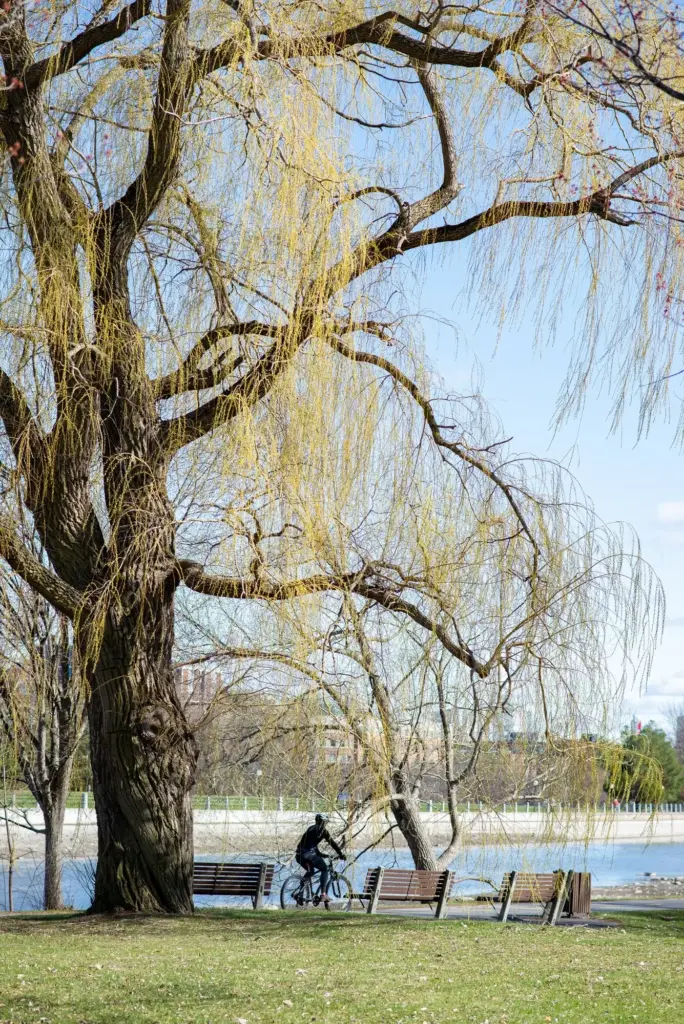
Arrive at Bath Spa and follow the Kennet & Avon’s mellow corridor past ornate bridges, tunnels of greenery, and narrowboats bustling at locks. The surface suits hybrids and gravel bikes, with café stops easy to find. Trains run frequently, making leisurely out-and-back rides simple. Bring a bell, share space kindly, and pause on aqueduct viewpoints where the valley opens majestically.

Regent’s Canal and River Lea: From King’s Cross to Open Sky
Step off at King’s Cross or St Pancras, thread through Granary Square, and join Regent’s Canal toward vibrant murals, moored cafés, and ironwork echoes. Merge with the River Lea to stretch into wilder reeds and playful wetlands. Trains and Overground links at Hackney Wick and Stratford simplify returns. Keep speeds gentle, greet walkers warmly, and savor constantly shifting urban textures.
Sound, Space, and Speed: The Golden Trio
Use a friendly bell well before passing, then offer a thank‑you as you glide by. Keep speeds modest, especially near locks, bridges, cafés, and play zones. Give children and skittish pets generous room, anticipate sudden sidesteps, and hold a steady line. Smooth, unhurried riding preserves tranquility and reduces risk, ensuring everyone enjoys the water’s gentle company together.
Surfaces, Locks, and Blind Corners
Towpaths can shift from buttery tarmac to roots, cobbles, puddles, or leaf-strewn gravel within a few turns. Slow for lock gates, lift bridges, and tight, railing-lined ramps. Approach blind corners hugging the inside, announce yourself, and avoid last-second braking. Expect slippery moss in shade after rain, and always prepare to stop for anglers casting or moorers handling lines.
Wildlife and Water Awareness
Swans defend nests, ducklings scatter unpredictably, and herons rise reluctantly from reeds. Give wide berths and pause if animals block the way. Avoid startling dogs near edges, and never squeeze past on precarious cambers. Shoulders crumble after heavy rain, so keep distance from soft banks. Notice life rings, understand where to exit safely, and ride with eyes lifted, attentive, and calm.
Tyre Choice and Pressure for Mixed Surfaces
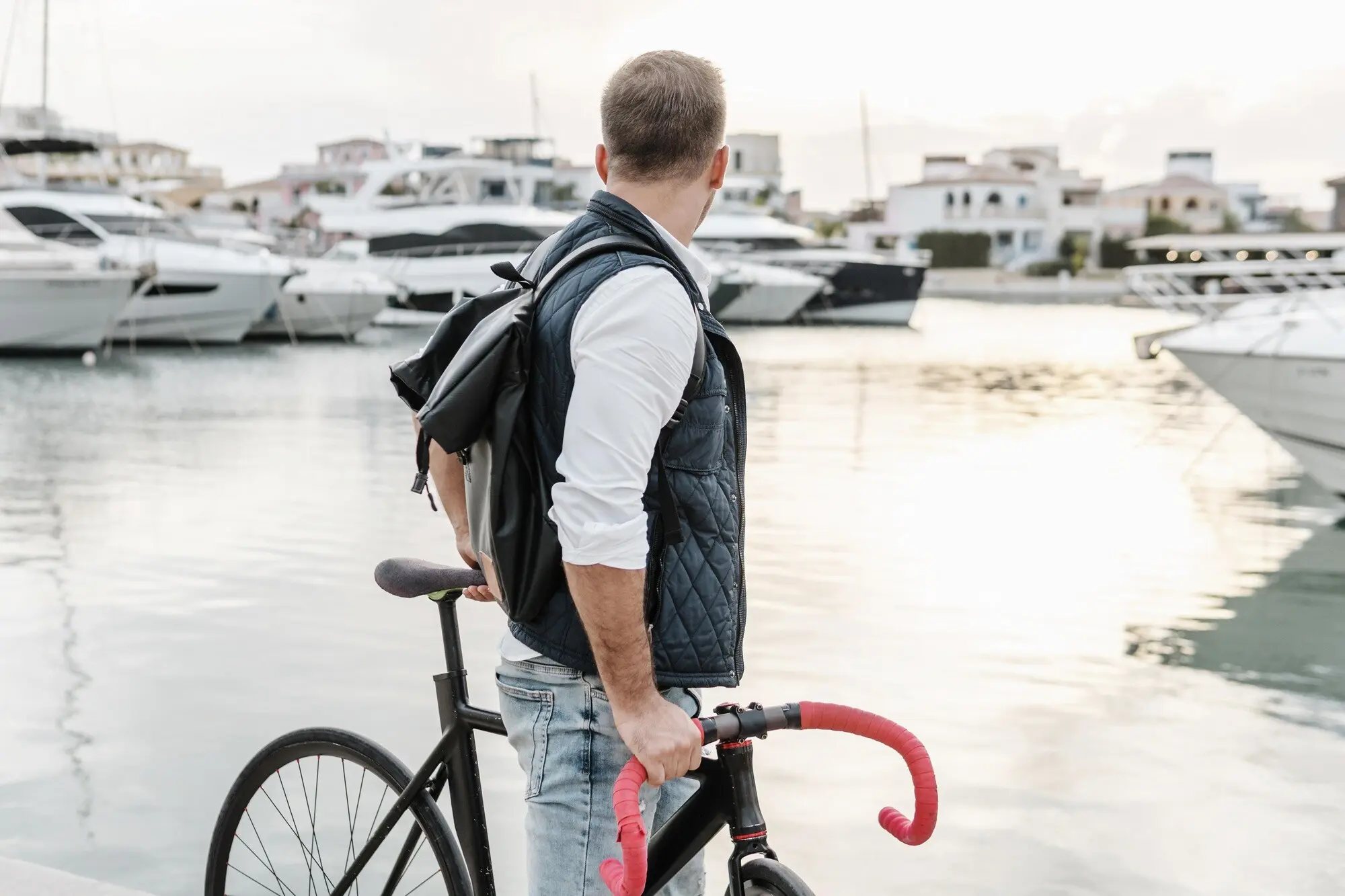
Go for 35–45 mm tyres on hybrids or gravel bikes, reducing pressure slightly for grip on damp grit and roots. Puncture-resistant casings handle canal debris, while reflective sidewalls aid dusk visibility. Check pressures before boarding, since station time encourages forgetfulness. Bring spare tubes, quick patches, and a reliable mini pump so small setbacks become short, satisfying pit stops.

Luggage for Day Trips and Overnighters
Panniers balance weight but can snag in tight gateways; consider a slim saddlebag and frame bag duo for nimble handling. A lightweight lock secures café stops, while a compact rain shell, gloves, and snacks fit neatly. Keep valuables zipped and distribute weight low. If tackling train stairs, quick-release straps and a tidy cockpit guarantee smooth, courteous movement through crowds.

Clothing for British Skies
Layering wins on breezy canals where shade cools unexpectedly. A breathable base, windproof or waterproof shell, and packable gilet manage shifting temperatures. Add clear-lens glasses for bugs and drizzle, plus a cap under the helmet for misty sprinkles. High-visibility accents help under low bridges. Prioritize comfort over fashion, and your smile will outshine grey clouds every single mile.
Itineraries from Major Hubs
Big-city rail stations open doors to peaceful waterside loops in minutes. Stitch together short family paths, photo-rich rambles, or steady endurance stretches with return options at nearby platforms. Blend culture with countryside as you pass murals, mills, and meadows. With thoughtful pacing and snack plans, even spontaneous afternoons bloom into journeys worth retelling on the next train home.
London: Green Corridors and Effortless Connections
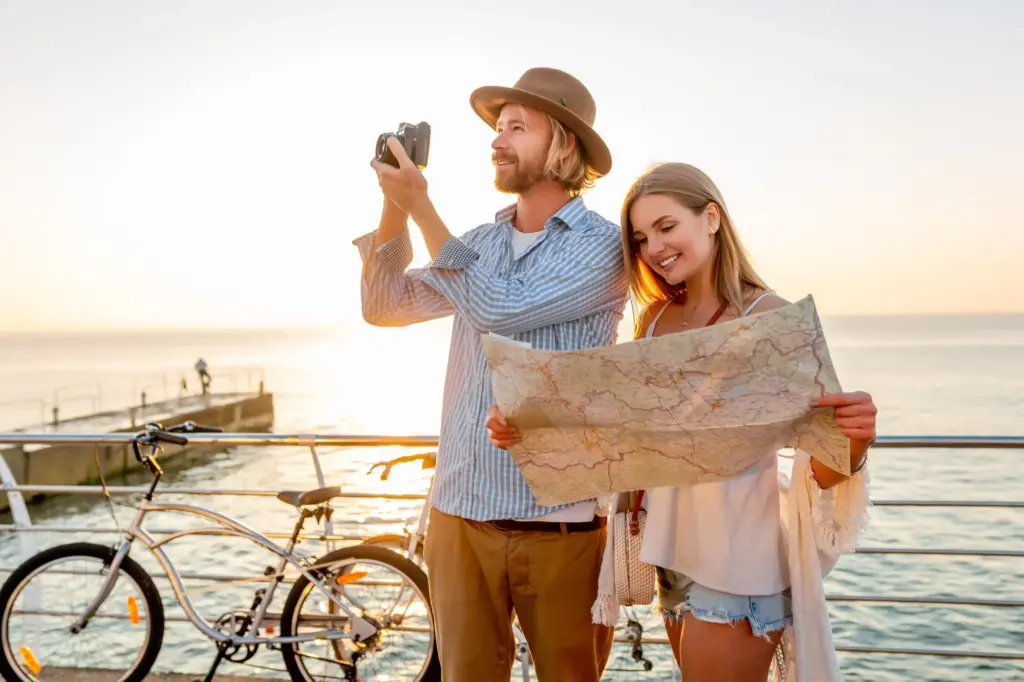
Link central stations to Regent’s Canal or the River Lea for tranquil, mostly level miles that feel far from traffic. Follow signed cycleways where towpaths narrow, and use Overground or rail stations like Hackney Wick, Stratford, or Tottenham Hale for flexible returns. Pause at waterside cafés, explore parks, and time golden-hour finishes so city mirrors glow beautifully.
Birmingham: Heart of the Cut within Pedal Reach
From Birmingham New Street, a few turns reveal an intricate canal web. Roll past Brindleyplace, then follow broad pathways toward Edgbaston or northwest toward historic locks. Surfaces vary, heritage abounds, and station options remain plentiful for quick exits. Keep bells ready, watch for anglers, and enjoy seeing a busy city soften as brick, water, and iron quietly converse.

Manchester and Salford: Irwell and Bridgewater Connections
Multiple stations feed waterside paths near the Irwell and Bridgewater Canal, offering industrial drama and open-sky calm. Expect a patchwork of surfaces and evolving signage; route-planning apps help thread green corridors between galleries, stadiums, and red-brick grandeur. Return by nearby rail links when legs tire. After rain, choose wider tyres, and keep cameras ready for shimmering warehouse reflections.
Culture, Pubs, and Industrial Heritage Along the Way
Aqueducts, Mills, and Ironwork that Tell a Story
Even modest spans carry big histories. Stand quietly on a cast-iron bridge, notice tool marks, and consider the hands that shaped it. Interpreted signs, repurposed mills, and boatyards reveal layered livelihoods. Arriving by train heightens contrasts—modern speed meeting measured water. Take a slower lap, photograph details, and share what you learned so others notice, linger, and care.
Waterside Cafés and Welcoming Stops
Local cafés near locks understand muddy tyres and hungry riders. Order warmly, park courteously, and thank staff who sometimes keep a pump behind the counter. Refill bottles, sample regional bakes, and log route notes while boats drift by outside. These breaks become memory anchors, turning distance into delight. Support independents generously to keep the towpath ecosystem thriving gracefully.
Photo Moments Worth the Pause
Light rests differently on water, rewarding patience and perspective. Frame boats against brick textures, wait for ripples to settle, and catch silhouettes on arched bridges at dusk. Step aside for others before composing, keep bikes clear of the path, and avoid blocking lock operations. Share images with route details, inviting newcomers to experience the same soft, shimmering wonder.

Community, Care, and Getting Involved
Towpaths flourish when riders, walkers, anglers, and boaters look after each other and the banks we love. Litter-free habits, patient passing, and volunteer energy strengthen these shared corridors. By joining clean-ups, reporting hazards, and sharing considerate route tips, you amplify joy for strangers. Subscribe, comment, and keep conversations flowing, so every return to the water feels brighter.
Pack out every wrapper, quietly pocket accidental gels, and avoid skidding on fragile edges that crumble after rain. Close gates as you found them, secure litter in gusty weather, and never block ramps or rescue rings. Your example shapes other choices. When care becomes habit, the path’s character deepens, wildlife prospers, and future rides inherit the same welcoming calm.
From path-tidy days to reporting potholes, small actions multiply. Look for local groups, waterways charities, or cycling advocates coordinating efforts with land managers. Bring gloves, respect tool briefings, and thank organizers who balance permissions and safety. You’ll meet route neighbors, share favorite cafés, and learn hidden connections. Volunteering turns occasional visitors into guardians with joyfully muddy shoes.
All Rights Reserved.